Transforming Rural Ecosystems: The Power of SVEP
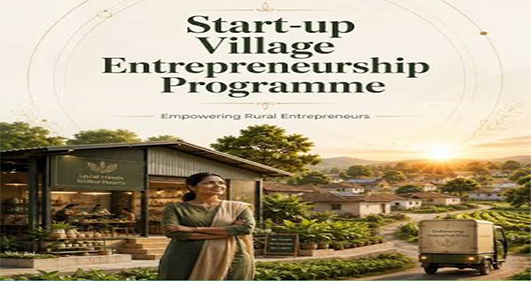
From Grassroots Innovation to Financial Independence: How the Start-up Village Entrepreneurship Programme is Powering Self-Reliance and Enterprise Growth in Rural India
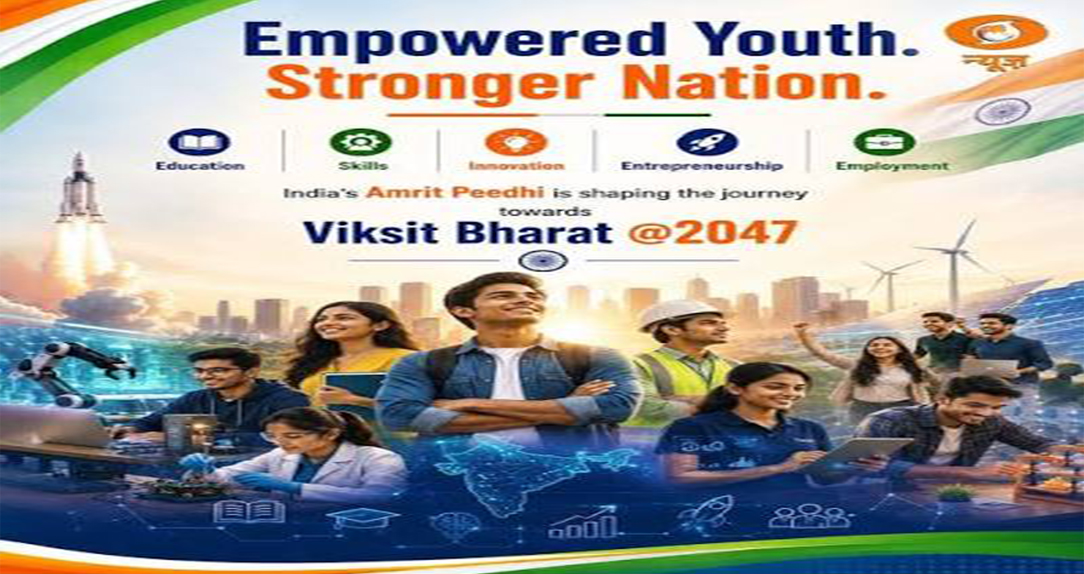
The Start-Up Village Entrepreneurship Programme (SVEP), a sub-scheme implemented under the Deendayal Antyodaya Yojana–National Rural Livelihoods Mission (DAY-NRLM), continues to play a transformative role in fostering self-employment and micro-entrepreneurship across rural India. By providing targeted skills training, accessible financing, long-term mentorship, and market connectivity, SVEP empowers rural youth, women, and historically disadvantaged communities. This comprehensive framework builds local economic resilience, creates village-level jobs, and accelerates progress toward India’s vision of a developed nation (Viksit Bharat) by 2047.
Key Program Milestones
| Performance Metric | Key Indicator / Reach |
|---|---|
| Total Enterprises Supported | 4.32 Lakh+ (432,000+) Micro-Enterprises |
| Share of Marginalized Communities | ~86% (SC, ST, OBC, and Minority Groups) |
| Women-Owned / Operated Enterprises | ~75% of Total Units |
| Enterprise Profitability Rate | ~99% Active Operational Units |
End-to-End Enterprise Incubation
Establishing a business in rural settings presents distinct operational and financial hurdles. SVEP mitigates these risks through a structured, multi-stage support model:
Identification & Capacity Building: Identifying prospective rural entrepreneurs and delivering practical training in enterprise operations, inventory tracking, and financial management.
Credit Facilitation: Streamlining access to affordable credit mechanisms, minimizing dependence on informal moneylenders.
Continuous Mentorship: Providing post-launch guidance and handholding to ensure new business owners navigate initial operational challenges successfully.
Driving Social Inclusion and Women's Empowerment
SVEP serves as a powerful instrument for socio-economic mobility across rural regions:
Inclusive Growth: Approximately 86% of supported entrepreneurs belong to Scheduled Castes (SC), Scheduled Tribes (ST), Other Backward Classes (OBC), and minority communities, bringing marginalized groups into the economic mainstream.
Women-Led Growth: Women own or manage roughly 75% of all SVEP-backed ventures. This financial independence boosts household incomes while enhancing female agency within local governance and community commerce.
Operational Sustainability and Institutional Credit Access
Financial and operational metrics demonstrate the long-term viability of the program's strategy:
99% Profitability Rate: According to official data, nearly 99% of established enterprises operate profitably, validating the program's emphasis on thorough incubation over simple capital disbursement.
Formal Financial Integration: By linking micro-entrepreneurs with Self-Help Groups (SHGs), commercial banks, and initiatives like the Pradhan Mantri MUDRA Yojana, SVEP establishes reliable credit channels necessary for enterprise expansion.
Diversifying Local Economies and Curbing Migration
SVEP fuels enterprise creation across a wide spectrum of non-farm and agro-allied sectors, including:
Food processing and agricultural value addition
Handicrafts, tailoring, and textile production
Retail trade, livestock management, and local repair services
By strengthening these non-farm sectors, the program creates local employment opportunities, diversifies rural income sources, and helps reduce distress migration toward urban areas.
SVEP demonstrates that when rural communities receive access to formal credit, structured training, and sustained institutional support, villages can evolve into self-sustaining engines of innovation, self-reliance, and economic prosperity.