From Grassroots to Growth: IITs and IIMs Join Hands with Rural Ministry to Scale Women-Led Enterprises
New business incubators across four states will empower over 600 rural self-help group ventures under the flagship 'Lakhpati Didi' framework.
In a significant push toward expanding women-led entrepreneurship in rural India, the Ministry of Rural Development has announced plans to establish four new business incubators across Bihar, Jammu & Kashmir, Uttar Pradesh, and Gujarat. Operating under the non-farm livelihoods vertical of the Deendayal Antyodaya Yojana-National Rural Livelihoods Mission (DAY-NRLM), the initiative aims to scale up more than 600 rural enterprises into sustainable, market-ready businesses.
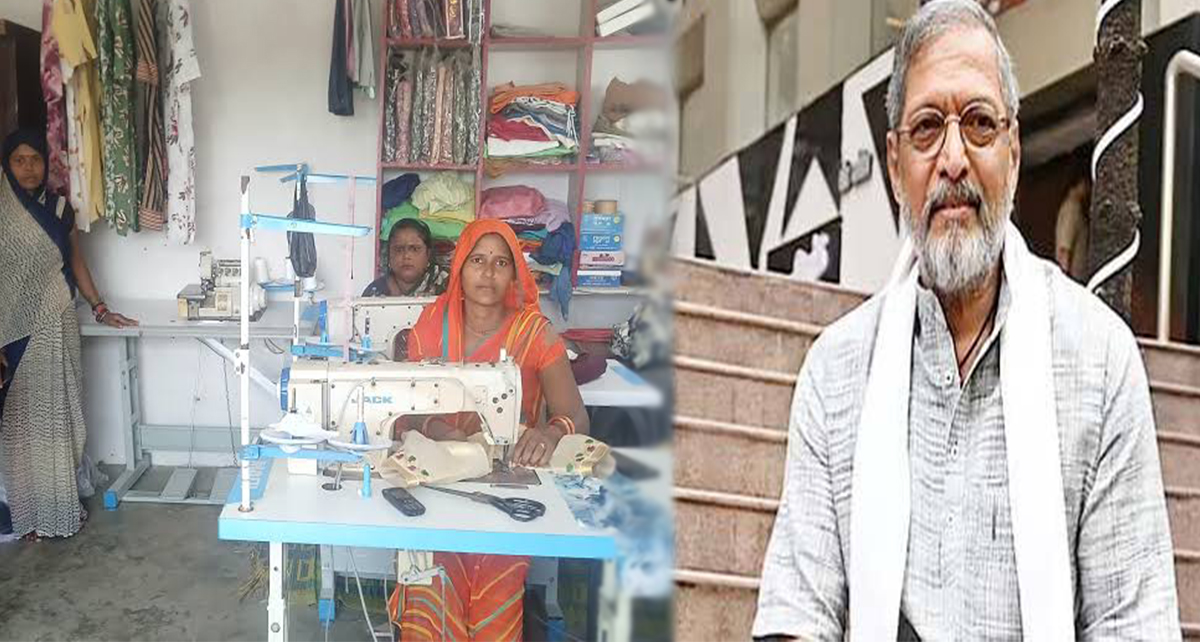
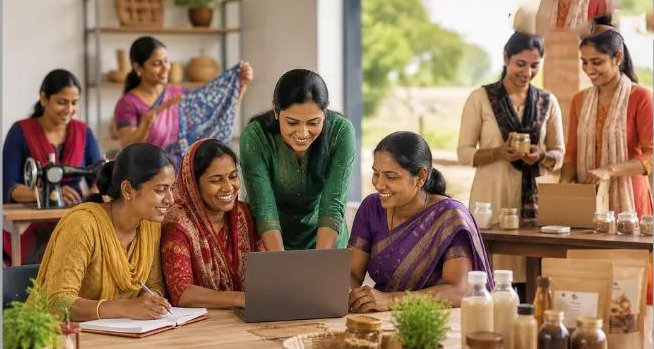
Rural self-help group members collaborating on enterprise growth.
Core Pillars of the Incubation Expansion
Premier Institutional Alliances: The newly announced incubators will be spearheaded by elite academic institutions—IIT Patna (Bihar), IIM Jammu (J&K), IIM Lucknow (Uttar Pradesh), and IIT Gandhinagar (Gujarat)—providing top-tier technical support, strategy, and executive mentorship.
End-to-End Business Enablement: Selected female entrepreneurs will receive end-to-end guidance, spanning refined business strategy, access to formal institutional credit, modern technology integration, and direct market linkage.
Merit-Based Challenge Fund: High-potential ventures will be selected through a competitive challenge fund. Focus areas include agri-processing, textiles, handicrafts, retail, services, eco-tourism, and digital services.
Proven Track Record: The expansion builds on strong momentum—14 incubator programs are active across 13 states supporting 2,100 SHG enterprises, while completed programs in Assam, Bihar, West Bengal, and Karnataka have already successfully scaled over 600 women-led businesses.
Dedicated State Incubation Cells: To guarantee long-term viability, dedicated State Incubation Cells will deliver continuous operational mentorship, digital literacy tools, and formalization assistance.
Driving Economic Self-Reliance
By helping rural micro-enterprises transition into structured, job-creating businesses, this strategic collaboration moves beyond basic income generation—building resilient, self-sustaining economic hubs managed directly by rural women.