Regulatory Overhaul to Drive $50 Billion Tech Surge: India Streamlines BIS Norms Under Semicon 2.0
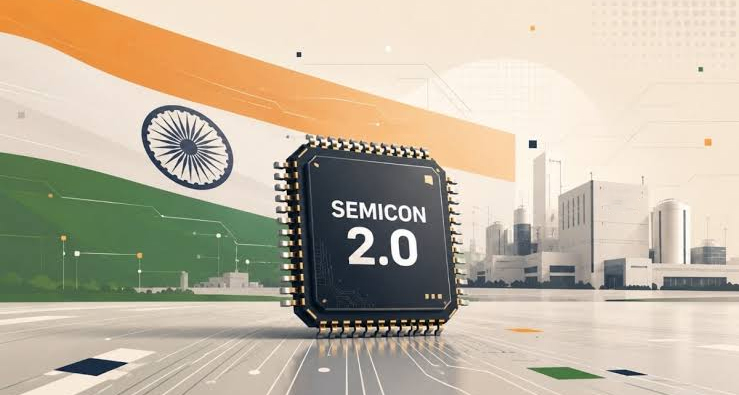
A targeted 60-day roadmap addresses investor concerns, simplifies compliance, and cements India's position as a primary global semiconductor powerhouse.
In a major push to position India as a global manufacturing powerhouse for semiconductors and advanced automotive components, Union Minister of Commerce and Industry Piyush Goyal announced that the Indian government will amend and implement new regulatory standards within the next two months. Speaking in Tokyo during an interaction with Nikkei Asia, the Minister assured international investors that compliance challenges raised by global corporations have been systematically addressed.
Core Highlights of the Regulatory Action Plan
Targeted 60-Day Regulatory Relief: The government's immediate strategy focuses on eliminating procedural bottlenecks faced by global players in semiconductor equipment and automotive component manufacturing. The overhaul streamlines Bureau of Indian Standards (BIS) frameworks to significantly accelerate testing and approval timelines.
Semicon 2.0 & $50 Billion Vision: Building upon the Union Cabinet's approval of the ₹1,27,500 crore 'Semicon 2.0' mission, India is targeting approximately $50 billion in capital investments across the semiconductor value chain over the next 18 months, setting the stage for a long-term 'Semiconductor 3.0' roadmap.
Standalone Manufacturing Hub: Rejecting the perception of India as merely an alternative "China Plus One" fallback, Minister Goyal emphasized that India is building a primary, highly competitive, and standalone high-tech manufacturing ecosystem.
Firm Stance on Fair Trade: While committing to friction-free compliance for legitimate global suppliers, the Minister reiterated India's firm stance against non-competitive practices, specifically curbing market distortion caused by predatory import pricing.
Aligning Policy with Global Standards
By harmonizing regulatory frameworks with international industry expectations, the government aims to create a seamlessly integrated supply chain—establishing India as an indispensable hub for global semiconductor manufacturing and high-tech innovation.