Earth Day Warning: WMO and FAO Report Highlights Extreme Heat as a Global Threat to Agriculture and Livelihoods
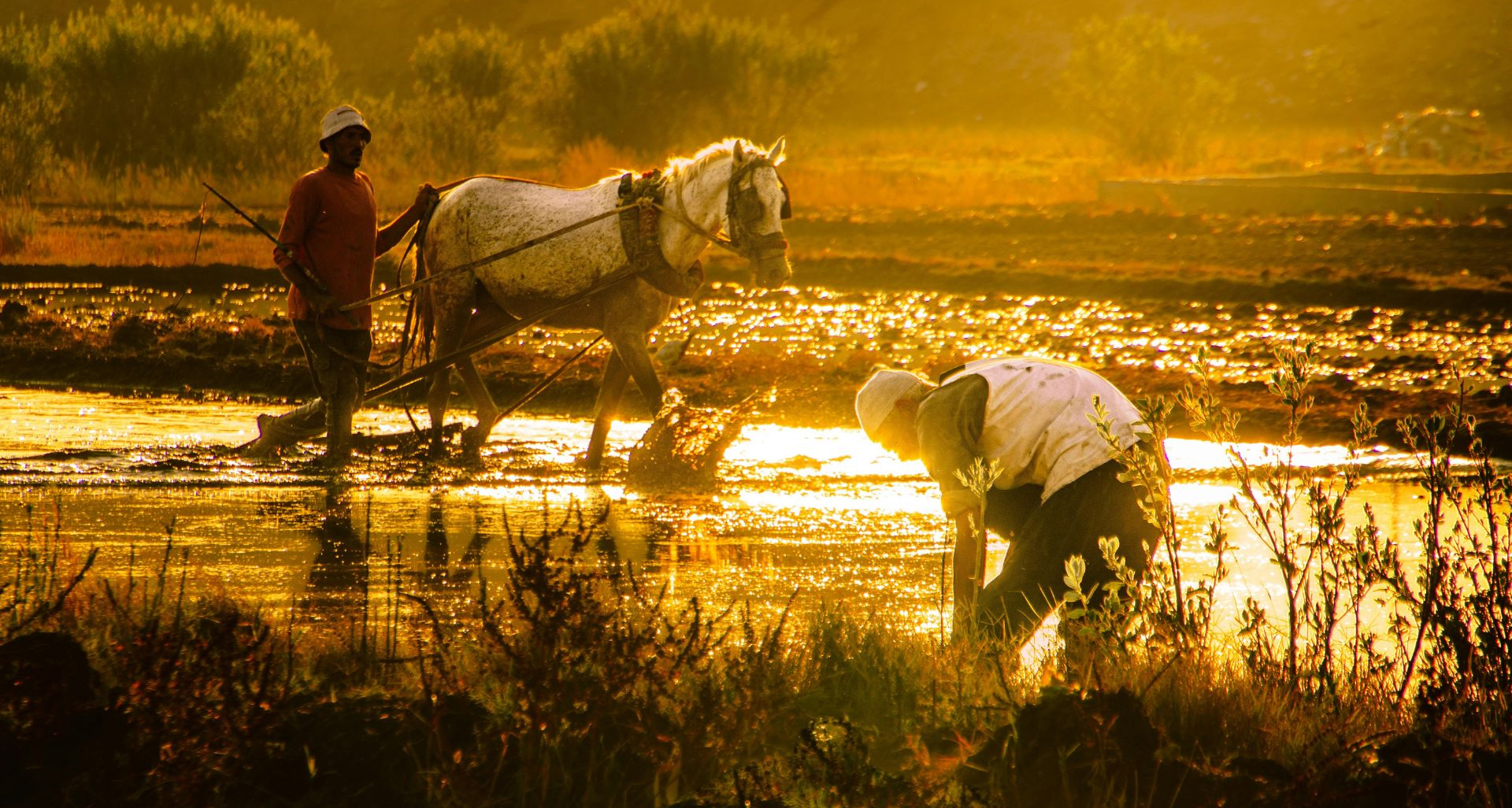
Rising global temperatures put over a billion lives at risk, pushing crop yields, livestock, and agricultural workers to their limits
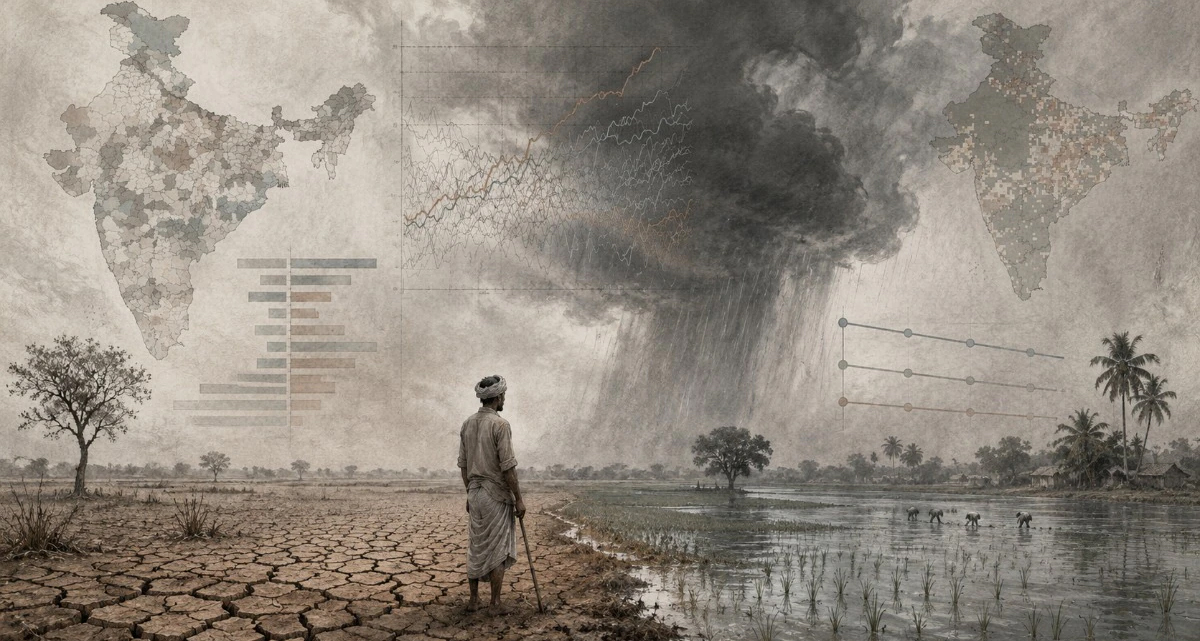
On the occasion of Earth Day, the Food and Agriculture Organization (FAO) and the World Meteorological Organization (WMO) jointly released a critical report titled “Extreme Heat and Agriculture.” The publication underlines a stark global reality: extreme heat has escalated from a localized weather anomaly into a major systemic crisis affecting over one billion people, crippling labor productivity, human health, and agricultural ecosystems worldwide.
According to the findings, the frequency, intensity, and duration of extreme heat events have surged rapidly over the past 50 years, with projections pointing to even harsher conditions ahead.
Extreme Heat as a "Risk Multiplier"
Highlighting the gravity of the report, FAO Director-General Qu Dongyu characterized extreme heat as a potent “risk multiplier.” It places unprecedented pressure on crops, livestock, forestry, and fisheries, alongside the vulnerable communities and economies that rely on them.
Echoing these concerns, the Secretary-General of the WMO emphasized that extreme temperature is now dictating the future course of global farming by exacerbating existing socio-economic vulnerabilities. Early warning systems and timely meteorological data were highlighted as indispensable tools to mitigate these impacts.
Critical Impacts Across Agriculture and Ecosystems
Impact on Livestock and Fisheries: Heat stress in most farm animals initiates at temperatures above 25°C, with even lower thresholds for poultry and swine, leading to reduced milk yields and severe health complications. Furthermore, marine heatwaves affected over 90 percent of the global ocean area in 2025, severely depleting dissolved oxygen and threatening aquatic life.
Crop Yield Declines: Productivity for most major staple crops degrades rapidly once ambient temperatures cross 30°C. Temperature-sensitive crops such as potatoes and barley experience severe yield drops at even lower thresholds.
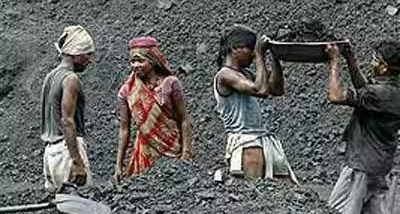
Labor Productivity Under Siege: Agriculture workers—particularly in regions like South Asia—face extreme physical risk, with projections indicating up to 250 days a year where extreme heat makes manual field labor dangerously difficult.
Compounded Environmental Hazards: Heatwaves do not act in isolation; they accelerate flash droughts, severe water scarcity, forest fires, and the spread of crop pests and diseases.
Key Recommendations and Strategic Solutions
To safeguard global food security and climate-resilient livelihoods, the FAO and WMO advocate for immediate structural shifts:
Climate-Smart Agronomy: Transitioning to drought-tolerant crop varieties, shifting planting schedules, and implementing advanced soil and water management.
Early Warning Systems: Expanding access to real-time climate data and early warnings for smallholder farmers.
Financial and Policy Support: Establishing global risk-sharing mechanisms, targeted financial assistance for vulnerable agricultural workers, and a decisive move away from high-emission growth models.
#EarthDay #WMO #FAO #ExtremeHeat #ClimateChange #GlobalFoodSecurity #AgricultureInCrisis #ClimateAction #Sustainability #HeatwaveWarning
#पृथ्वीदिवस #विश्वमौसमसंगठन #एफएओ #अत्यधिकगर्मी #जलवायुपरिवर्तन #खाद्यसुरक्षा #कृषिसंकट #जलवायुकार्रवाई #पर्यावरणसंरक्षण #मौसमचेतावनी