From Financial Inclusion to Economic Empowerment: India’s Blueprint to Create 60 Million 'Lakhpati Didis'
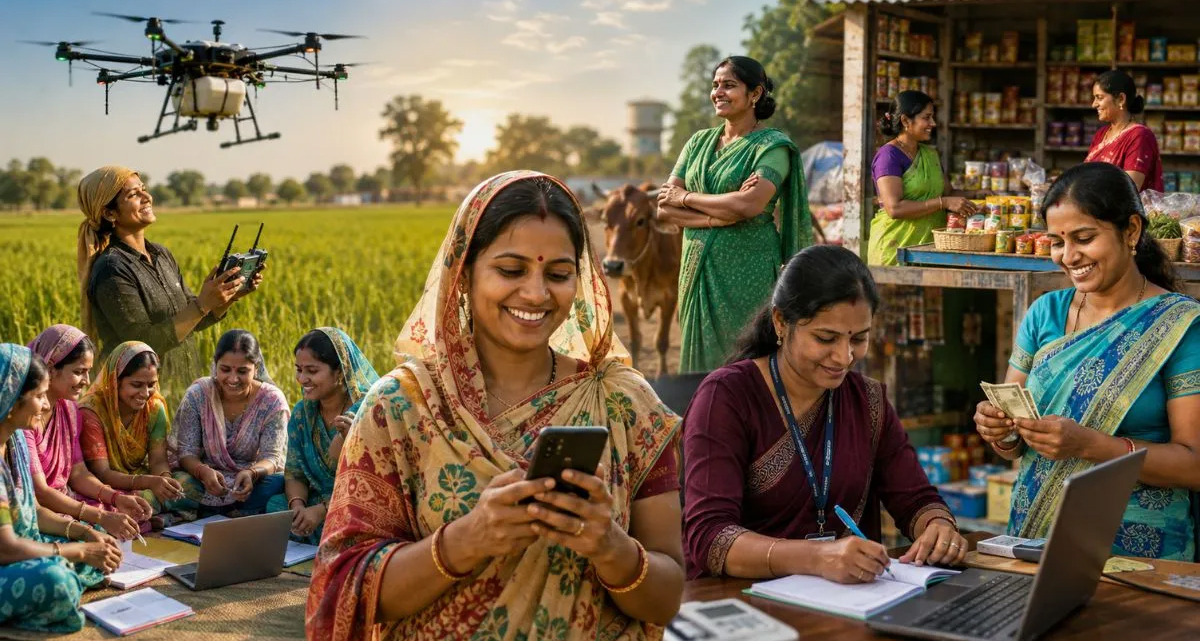
"Empowering Rural Women as Catalysts of India's Economic Renaissance: A Comprehensive Roadmap for Seamless Credit, Targeted Financing, and Institutional Accountability."
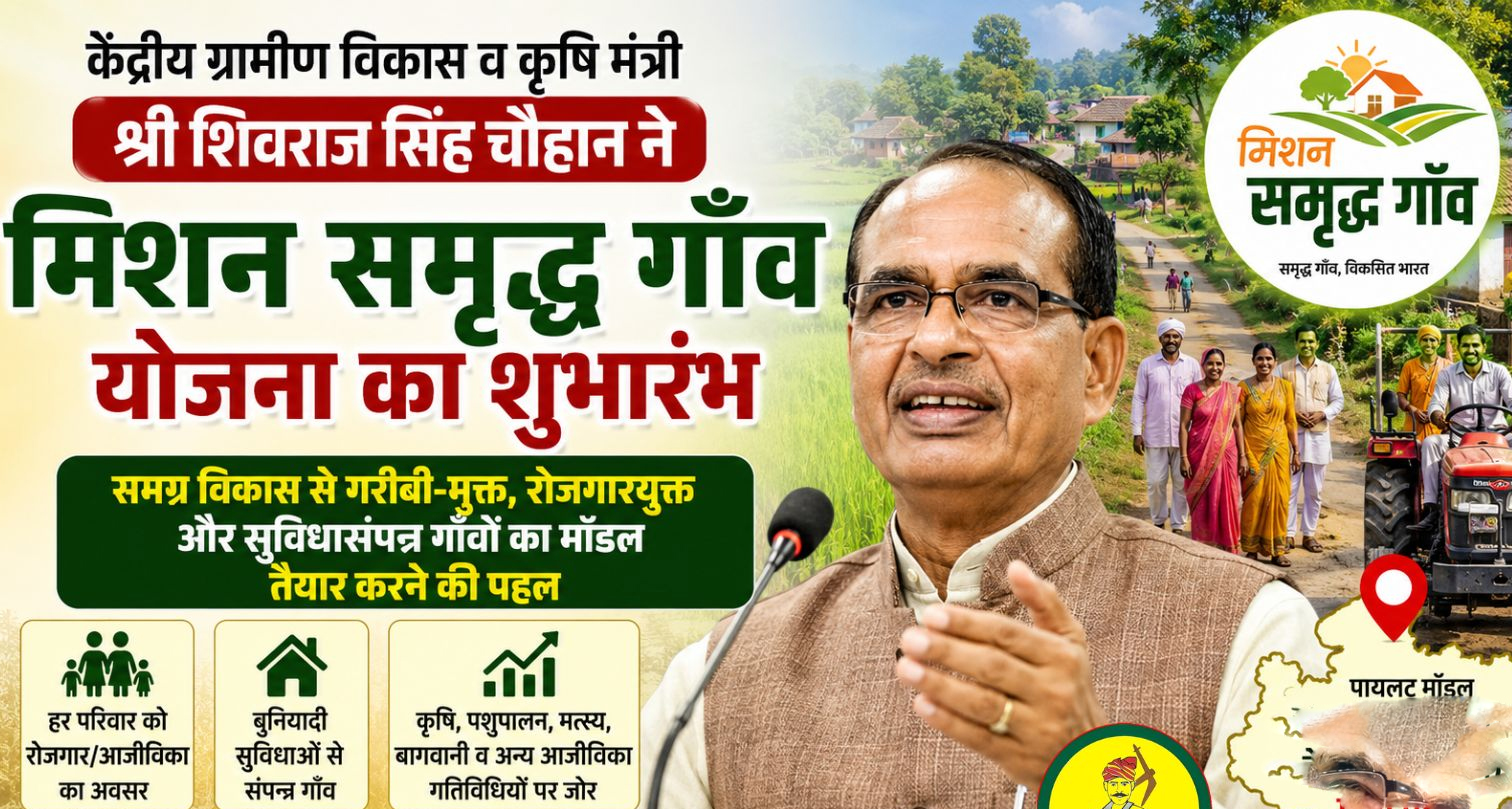
Women’s empowerment stands as a foundational prerequisite for achieving the vision of Viksit Bharat (Developed India). Demonstrating this strategic priority, Union Minister for Agriculture & Farmers’ Welfare and Rural Development, Shivraj Singh Chouhan, chaired a high-level review meeting in Mumbai on Self-Help Group (SHG)-Bank Linkage and Individual Enterprise Financing under the Deendayal Antyodaya Yojana - National Rural Livelihoods Mission (DAY-NRLM).
The conference brought together SHG leaders (Didis), commercial bankers, representatives from State Rural Livelihood Missions (SRLMs), the Reserve Bank of India (RBI), NABARD, and key policy stakeholders to establish an actionable roadmap for delivering fast, adequate, and accessible credit to rural female entrepreneurs.
1. Expanding the Horizon: Target Set for 6 Crore Lakhpati Didis
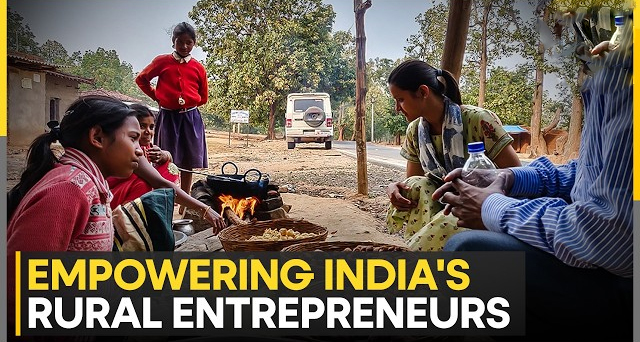
Reflecting on Prime Minister Narendra Modi’s flagship vision, Union Minister Shivraj Singh Chouhan noted that over 3.5 crore rural women have already become Lakhpati Didis (achieving a sustainable annual income of ₹1,00,000 or more). The national target has now been expanded to 6 crore Lakhpati Didis.
Focusing on Lower-Income Brackets: While reaching the initial 3 crore target involved supporting women who were already earning ₹60,000 to ₹80,000 annually, scaling to 6 crore requires targeted interventions for women currently in the ₹30,000 to ₹50,000 annual income brackets.
5-Year Capital Allocation: To power this next phase, the government aims to mobilize ₹10 lakh crore in credit to SHGs and ₹1 lakh crore in individual enterprise loans over the next five years.
Recognizing Banking Sector Contributions: The Minister lauded financial institutions for exceeding their disbursement targets over the past year, with several banks achieving 1.5x to 2x their designated quotas.
2. Streamlining Credit Flow and Enhancing Bank Sensitivity
Acknowledging that rural entrepreneurs encounter their most persistent bottlenecks at local bank branches, the Union Minister issued direct operational directives to remove structural hurdles and build institutional accountability.
Dedicated Helpline & Process Simplification: A dedicated helpline will be launched to resolve loan processing delays, documentation friction, and procedural grievances faced by SHG members.
Strict Monitoring Cadence: Commitments made by NABARD, RBI, commercial banks, and SRLMs will be tracked through quarterly virtual reviews and bi-annual physical reviews to guarantee deadline compliance.
Mandatory Private Bank Engagement: Addressing concerns over low private bank participation in District Level Coordination Committee (DLCC) meetings, explicit instructions were issued requiring private lenders to actively participate in rural credit distribution.
3. Financial Inclusion 2.0: Directing Capital to Under-Served Regions
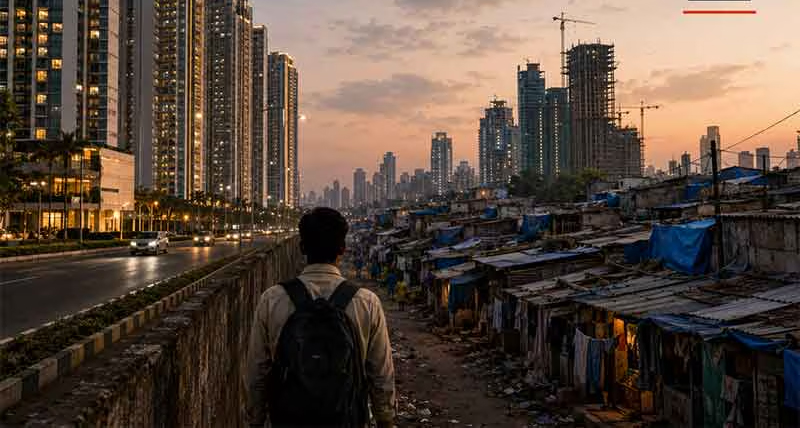
Underlining the necessity of equitable credit distribution, Minister Chouhan highlighted the philosophy "Chalo jalayein deep wahan, jahan abhi bhi andhera hai" (Let us light a lamp where darkness still prevails). He instructed lenders to prioritize credit flows toward economically vulnerable regions rather than concentrating capital in already prosperous districts.
| Structural Metric | Current Status & Expansion Targets |
|---|---|
| Mobilized Rural Women | 10+ Crore organized into 92–93 lakh Self-Help Groups (SHGs). |
| Cumulative SHG Credit Disbursed | ₹13.67 Lakh Crore+ channeled through bank linkages. |
| Upcoming 5-Year SHG Credit Target | ₹10 Lakh Crore earmarked for collective enterprise development. |
| Individual Enterprise Loan Allocation | ₹1 Lakh Crore designated for scaling micro-enterprises run by women. |
4. Operationalizing 'Aatmavat Sarvabhuteshu' in Public Service
Urging stakeholders to view rural development as a service to the nation rather than a routine administrative task, the Union Minister invoked the core Indian cultural ethos of Aatmavat Sarvabhuteshu (empathizing with others' hardship as one's own).
Quoting the renowned Hindi poet Dushyant Kumar—"Kaun kehta hai aasmaan mein surakh nahi ho सकता, ek patthar toh tabiyat se uchalo yaaro" (Who says a hole cannot be made in the sky? Throw a stone with true conviction, my friends)—he emphasized that no goal is unattainable when backed by unwavering resolve and institutional commitment.
Key Dignitaries in Attendance
The review meeting witnessed active participation from across the central and state administrative machinery:
Union Ministers of State for Rural Development: Chandrasekhar Pemmasani and Kamlesh Paswan.
State Leadership: Maharashtra Minister for Rural Development & Panchayati Raj Jaykumar Gore and Minister of State Yogesh Kadam.
Senior Officials & Regulators: Secretary of Rural Development Rohit Kansal, Joint Secretaries Amit Kumar Shukla and Swati Sharma, along with senior representatives from NITI Aayog, Department of Financial Services (DFS), Reserve Bank of India (RBI), NABARD, and the Pension Fund Regulatory and Development Authority (PFRDA).
Conclusion: A Blueprint for Inclusive Growth
The high-level review in Mumbai marks a decisive evolution in India's rural economic framework. By pairing capital targets with ground-level institutional reforms, banker sensitization, and structured grievance redressal, Financial Inclusion 2.0 provides a clear path to sustainable, women-led economic development across rural India.